All the ways streaming services are aggravating their subscribers this week
Disappointing streaming changes are happening so fast that it’s hard to keep up.
The streaming market continues to evolve, and arguably consumers are getting a worse deal with higher prices for less content. It is not surprising that there are more people adopting the approach of rotating subscriptions – sign up for a month or two, binge what you want to see, then cancel. The streaming platforms have to be putting a lot of effort into addressing this. Which one will be the first to insist on minimum subscription periods of 3 or 6 months?
One approach that was tried here in Sweden was from HBO Nordic a few years ago. They offered a once off 50% reduction in the subscription cost which would be applied for life. As long as you stay with them you get the discount. But if you leave… At the time it drove a very large number of subscribers to their platform. I would love to see the numbers for what it did for churn 🙂
Taking the plunge into the next stage of my career!
A little while ago I made a change in my career direction. I finished with my last employer (big global communications tech player, you probably have heard of them) after 17 years that involved many interesting challenges, a lot of fun, countless interesting people, and to be fair more than a few numpties!
There were loads of great career adventures and one of the best things about that job was all the stuff I learned about the tech, the communications industry, work, and people.
The new chapter I am on at the moment is to be self employed. If you have a project in the tech industry, one involving strategy or marketing, and you want to make sure your business problem IS going to be addressed, and the fix will be delivered fast, then it might be an idea for us to talk.
A challenge I have is how to describe what I can do for people. My CV and career journey is a little unconventional. I went from manufacturing, to IT development, to program management, to business and strategy consulting, to cloud strategy,, back to program management in marketing, and most recently digital transformation. How do you sum that up for a business person with a problem they need help with?
I was talking to some people about this. A guy who works in finance for start ups said to me “I know what you are. You are a fixer. You are someone I give a problem to and you fix it”. I am told good fixers are very important in start-ups where title and role are subordinate to getting things done, and sorting out issues fast. The second valuable input I got was from a former boss. I asked him how he would describe what I am good at and he said “Strategy Execution”. Give me a problem and I will take care of it fast, while making sure that the solution remains business focused.
Both of those ring true to me. I just need to figure out how to succinctly describe that when I am talking to companies and recruiters!
One of the things I will be doing though is to change the emphasis of this blog a little bit. It helps to have a place for me to write and talk a little about technology and business. I don’t fancy going off to SubStack, and while LinkedIn is the usual professional platform, the writing there is a little strange sometimes.
Expect to see a few small changes around here then so.
In 2016 I pulled together a list of my extremes around the world. These were the highest, lowest, warmest, coldest etc places I had been to or experienced around the planet. My friends and I had some fun comparing our lists (a shocking number of Irish people have been no further north than Edinburgh).
Six years later, an update seems overdue as more than a few have changed since.
There is one rule to these extremes – doing something it in a airplane doesn’t count. You have to have had feet on the ground (or in the water). My list is below, what does yours look like?
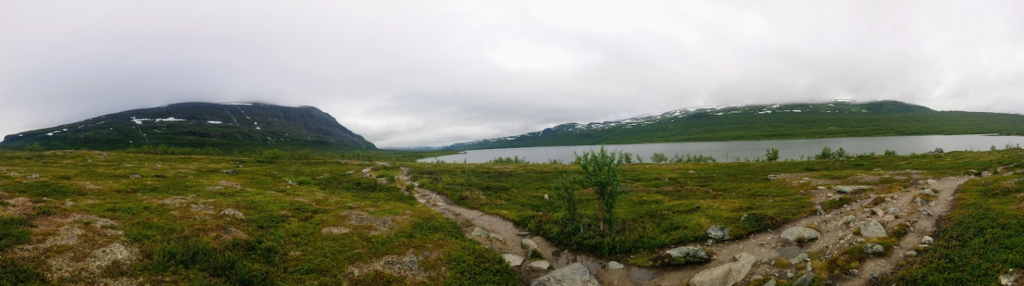
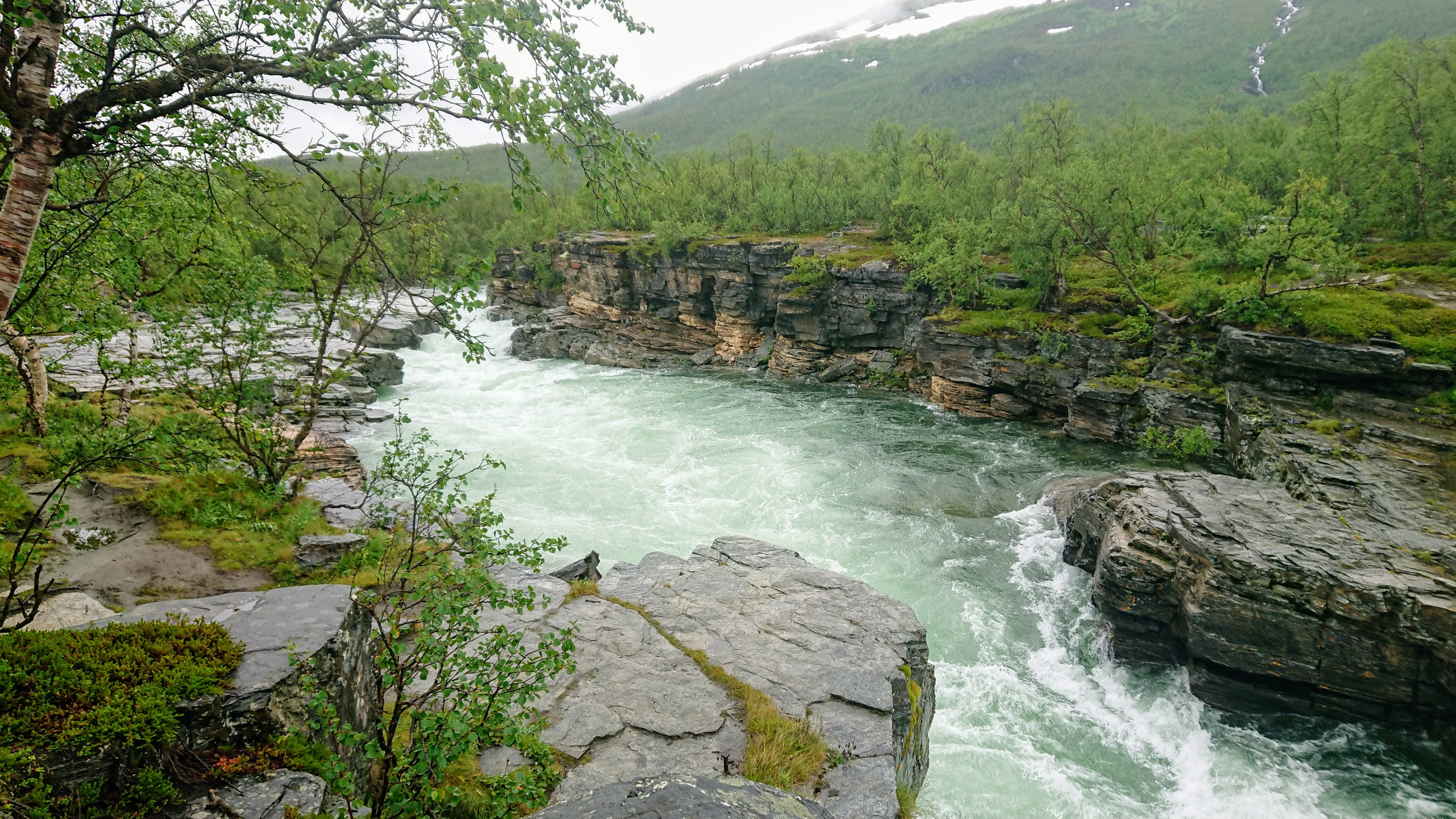
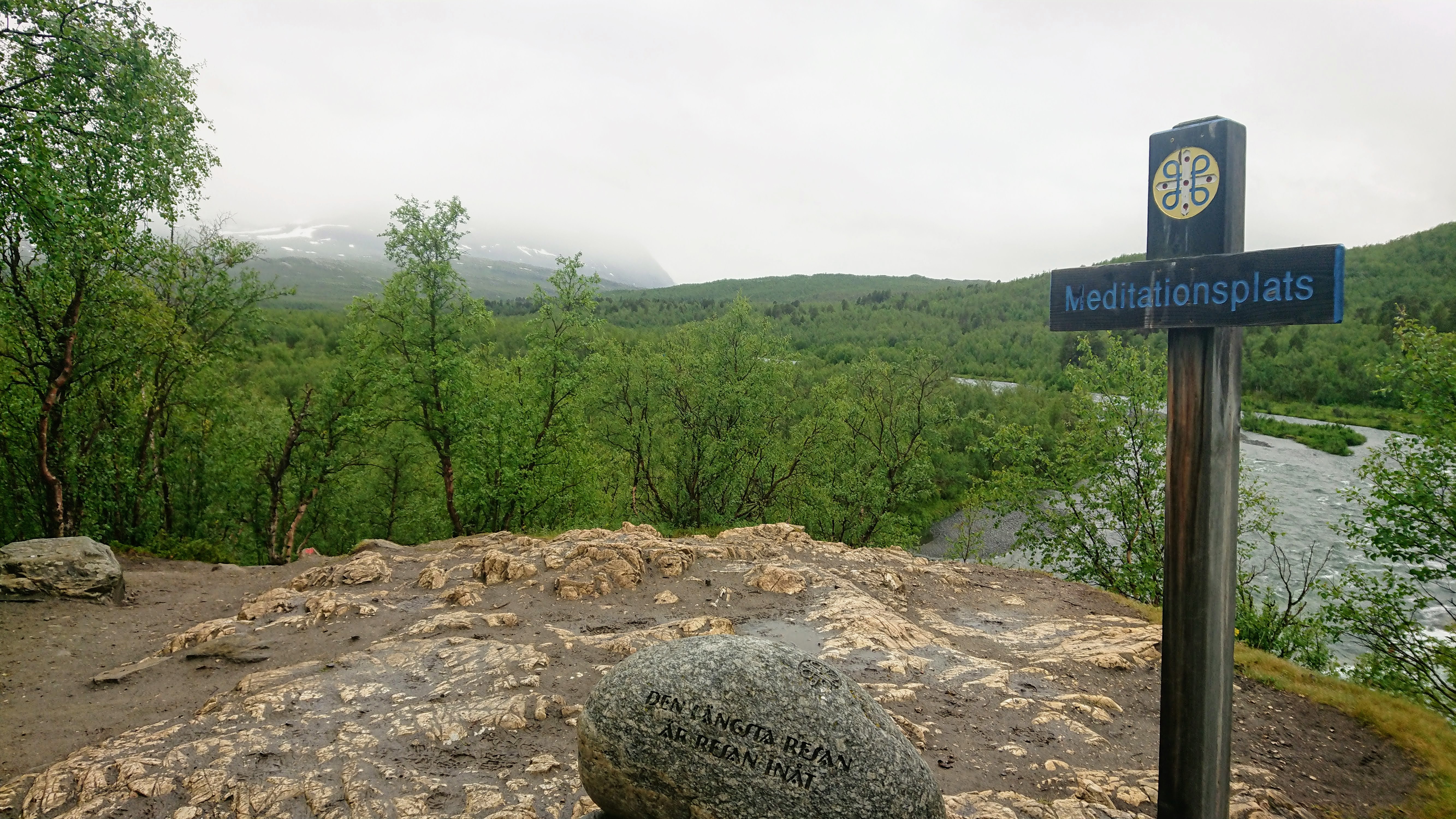
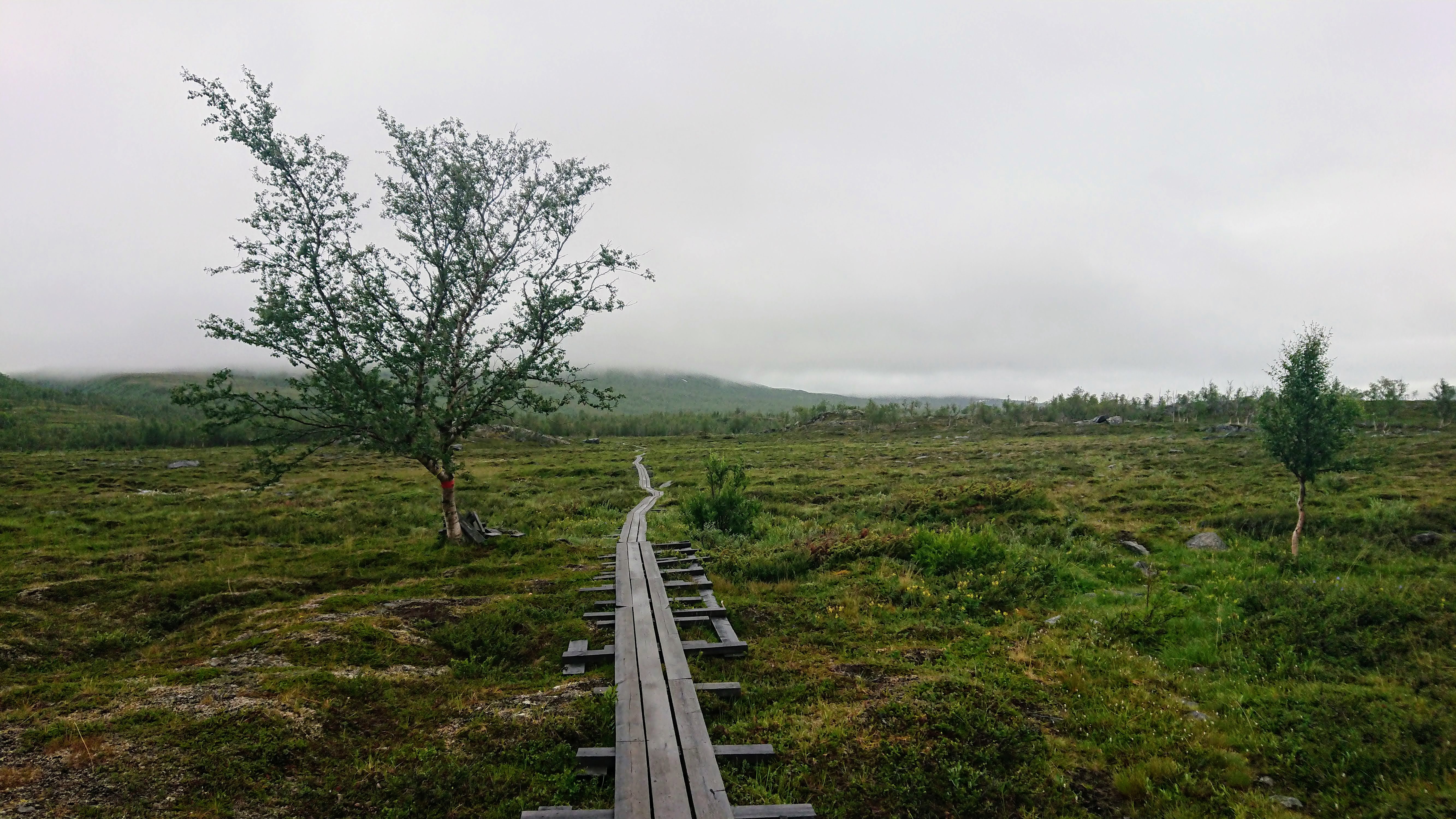
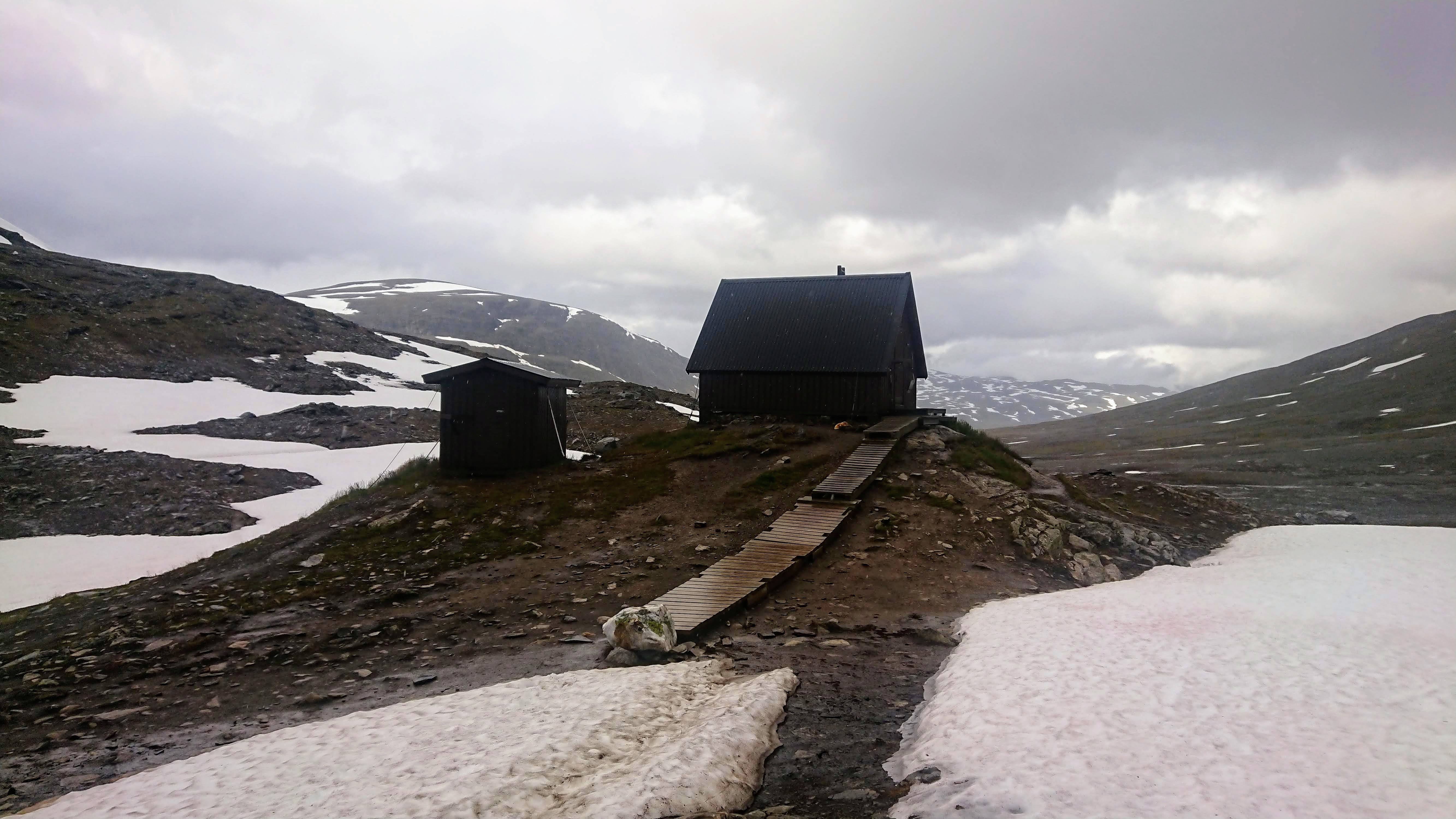
Abisko national park, somewhere north of the Arctic Circle. July 2020
For me:
Furthest North: N60° 40′ Gävle Sweden, December 2015. N68° 21′ Abisko, Sweden, August 2020. (about 200km above the Arctic circle 🙂 )
Furthest South: S34° 21′ Cape of Good Hope, South Africa (barely lower than Santiago Chile), June 2009.
Furthest West: W122°, 40′ Portland Oregon, USA, July 2001.
Furthest East: E151° 12′ Sydney, Australia, December 2006.
Highest point: 4,215m Dead Woman’s Pass Inca Trail, Peru, July 1999.
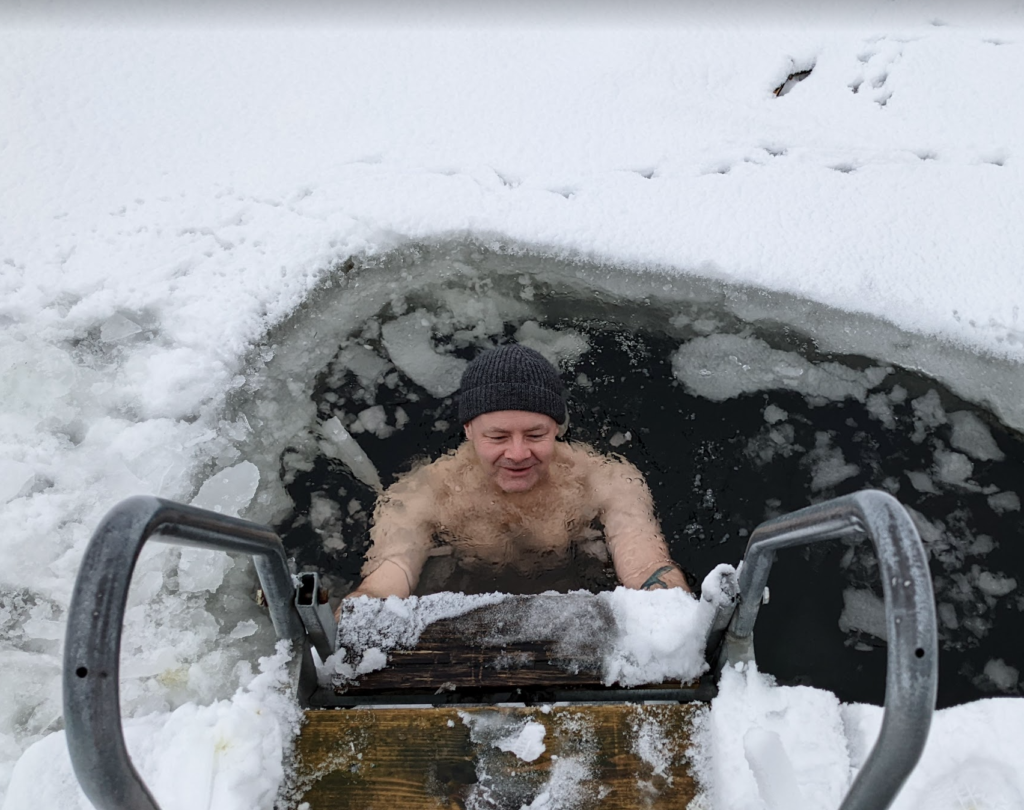
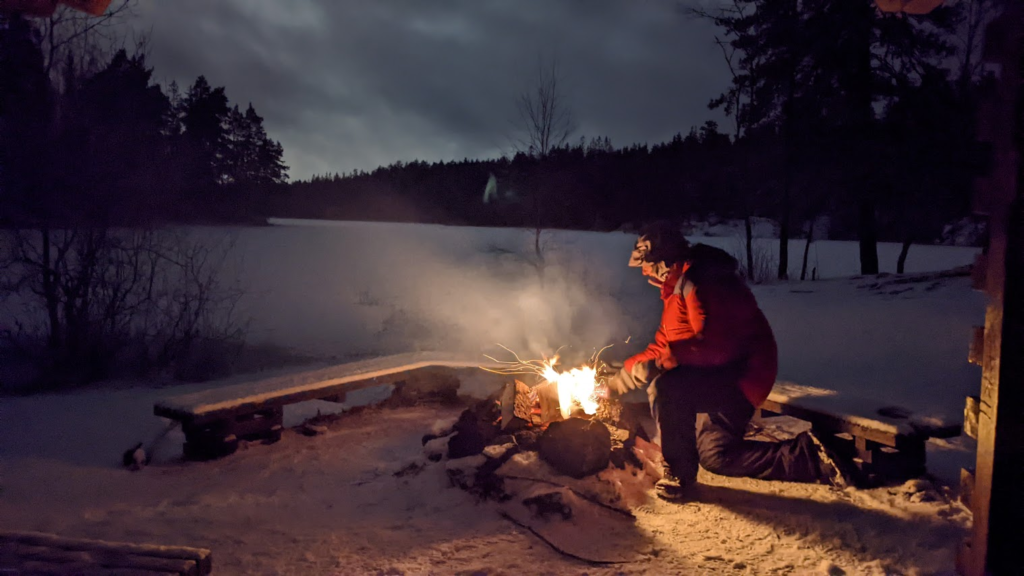
Coldest: -16°C Altiplano, Chile, 2001. -17°C Upplands Vasby, Sweden. February 2016. -23°C, Dalarna County Sweden, February 2018. And honorable mention to camping out in -10C in January 2022 😀
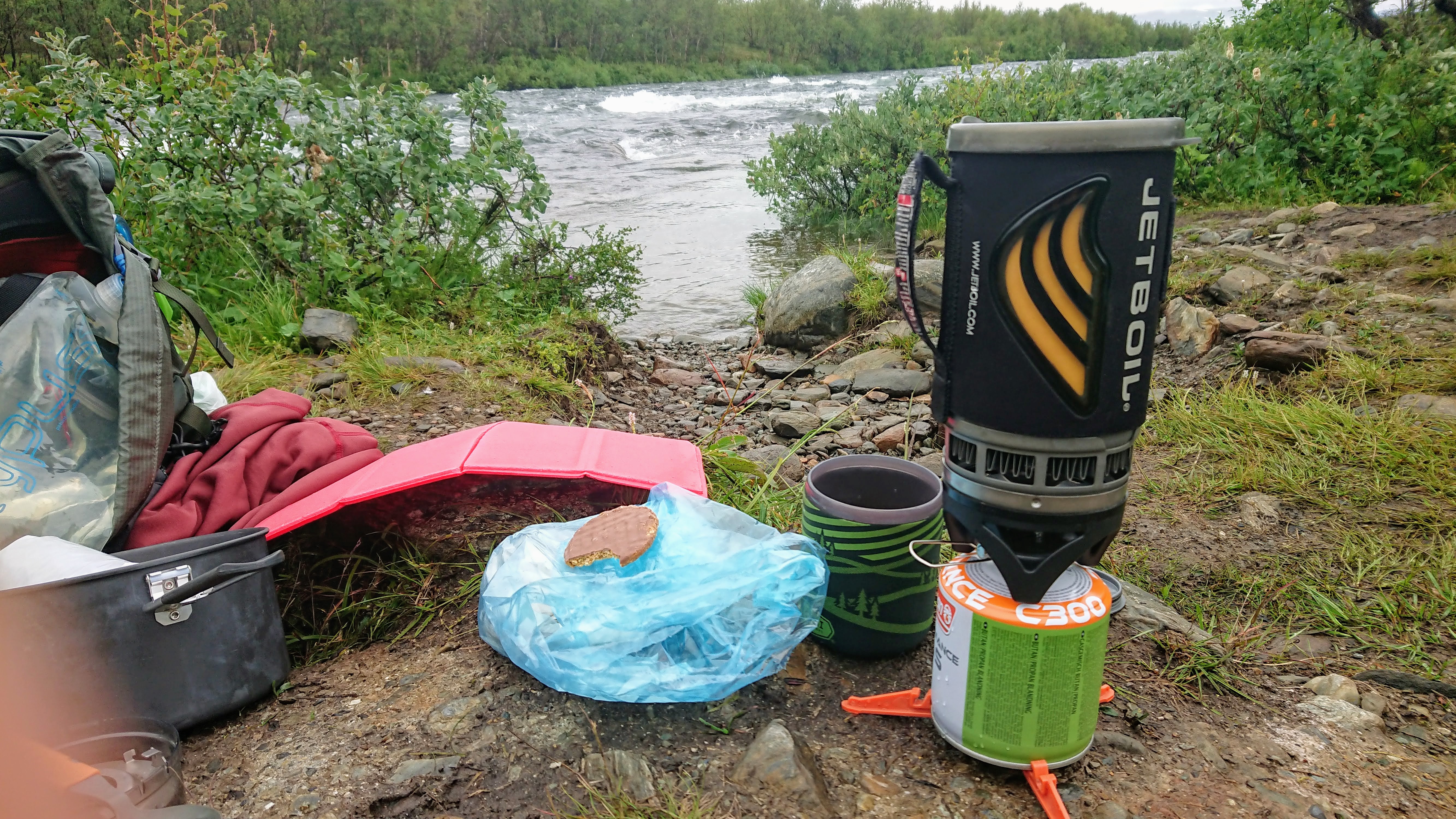
Camping out in Tyresta national park, January 2022 where it was -10C
A little over a year ago I looked at this blog and set myself the ambition of writing a post a week all year. I didn’t quite make that, managing about half of that number. I won’t say I am dissapointed. It was not a target I would beat myself up over – I have children who can do that (what genius passed a law that says parents cannot hit thier children, but kids can hit their parents, crawl all over them in the bed at dawn o’clock, try to tickle them when they are carrying hot drinks, etc. etc).
I think I was my own worst enemy here. I put a bit of effort into thinking about what to write, how I should structure it, and I could spend a couple of hours on some posts. I was over thinking it. Which is funny as at work when I ask people to write blog posts that is precisely what I tell them not to do! Blogging should be informal, it should be natural. Write like you talk. It’s not much more effort than writing an email of the same length.
So what happens next here. I still want to keep the blog going. I have no idea how much traffic it gets. And that is not the reason for it. I just like writing. And occasionally I have an idea or concept, or just a memory I want to leave in a place where I can point anyone too (like should you water your whiskey, what should be done about cigarette butts, or just amazing images from other worlds). So it will remain here. And I will keep posting. I will try and do more posts, though many of them to be shorter. And I have some ideas for tweaking the theme I am using to reflect that.
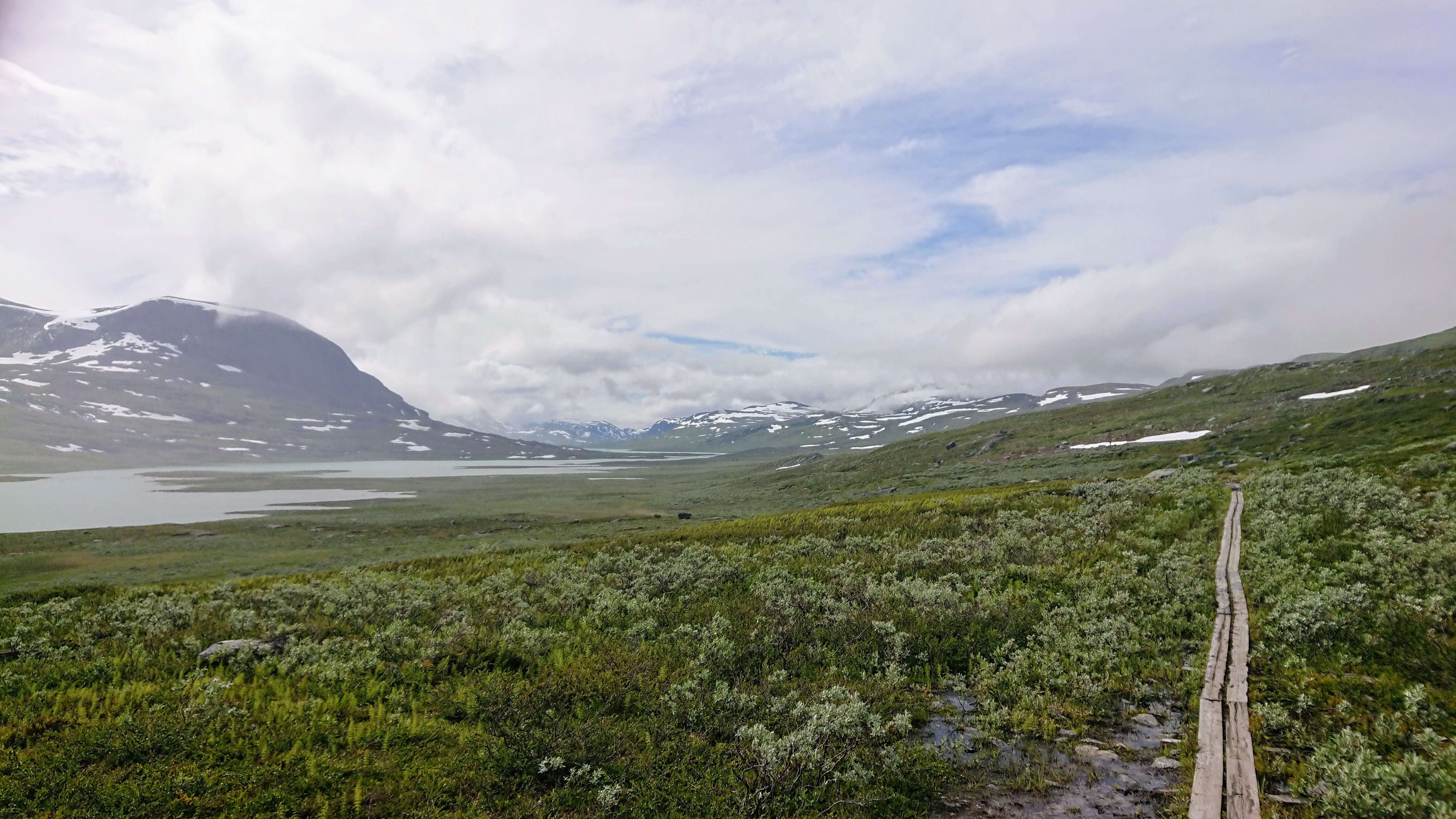
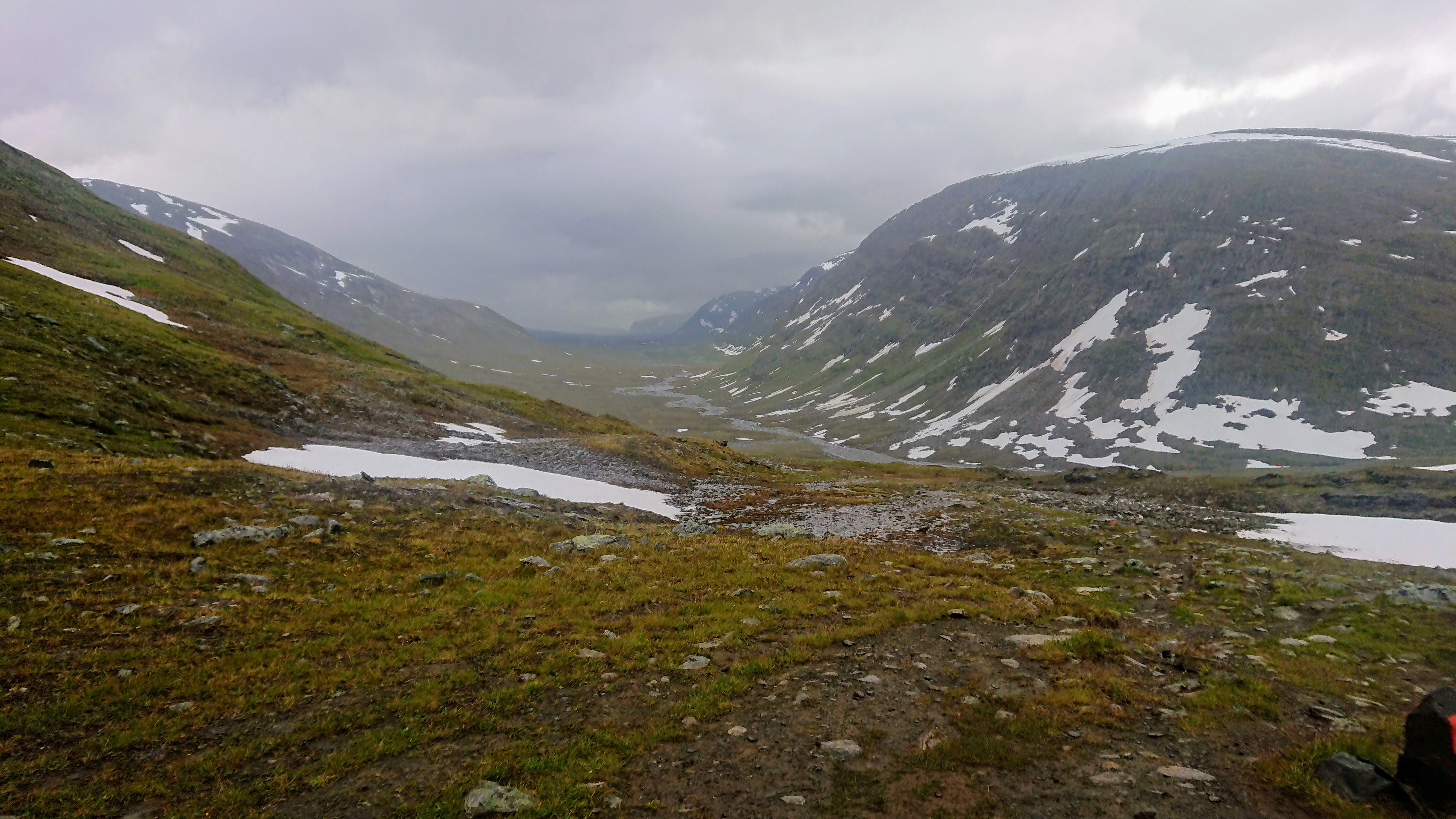
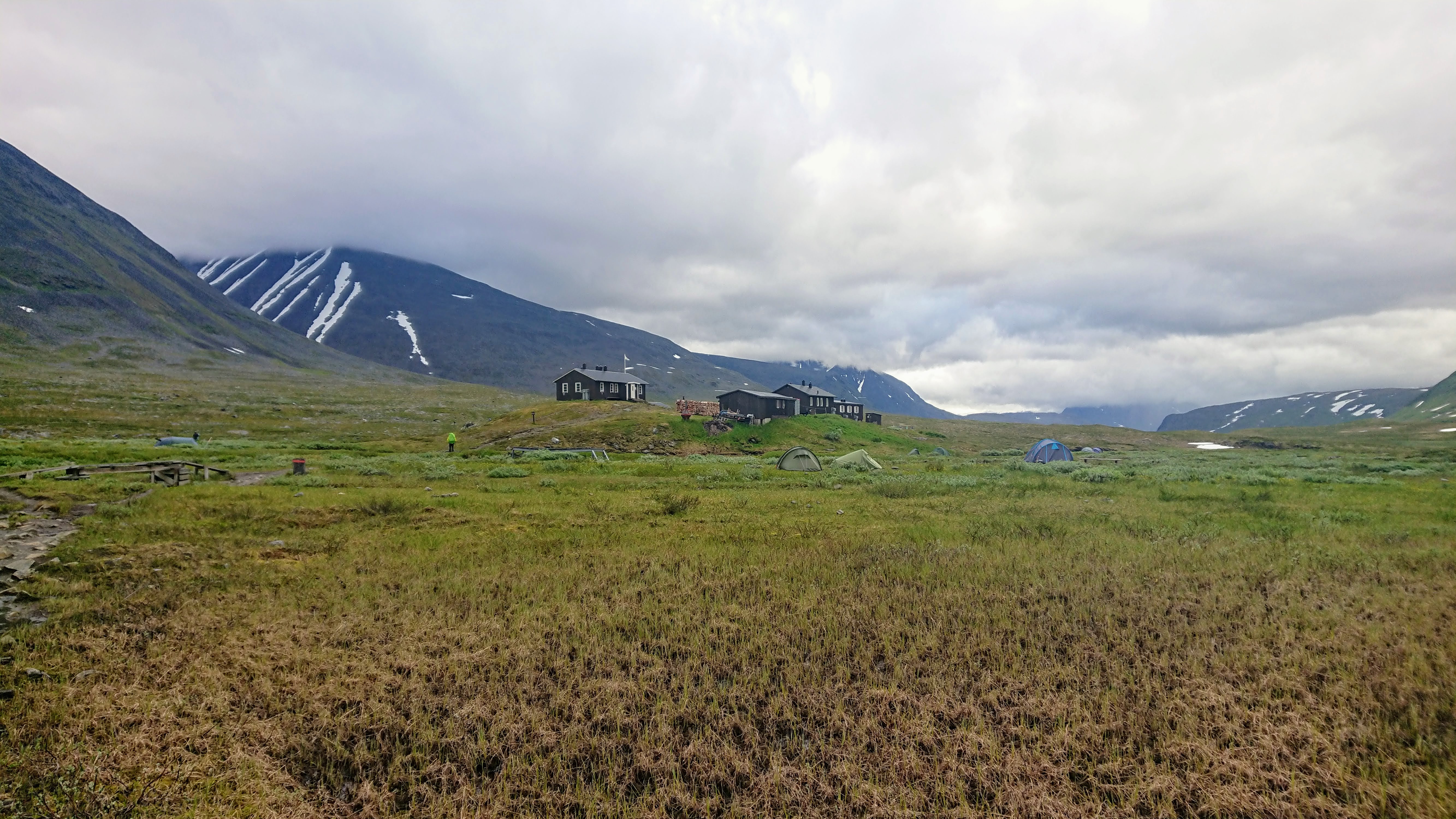
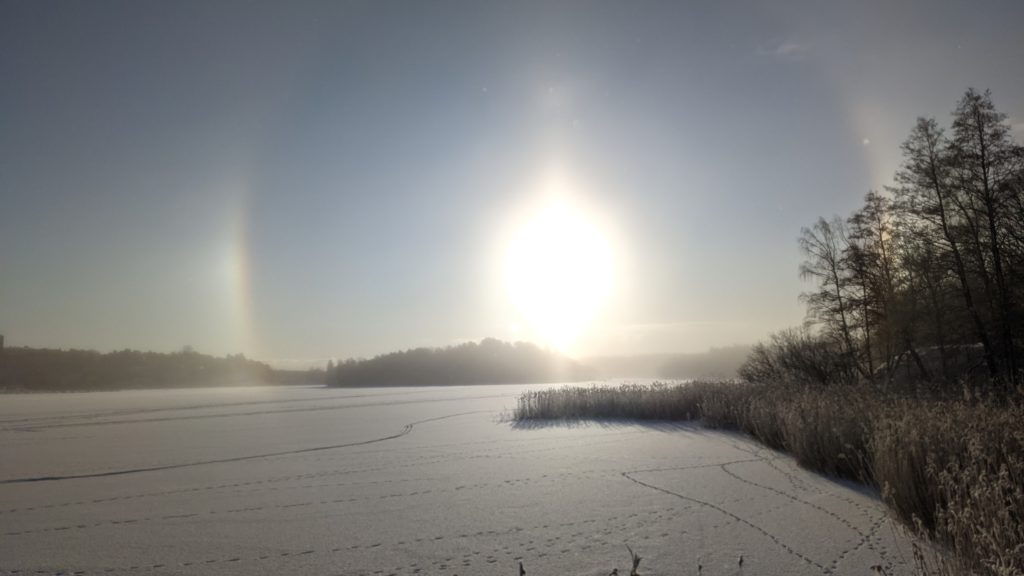
For now, here is a pretty picture, and I am off to see how I can finally get up my photos from Kungsleden last summer.
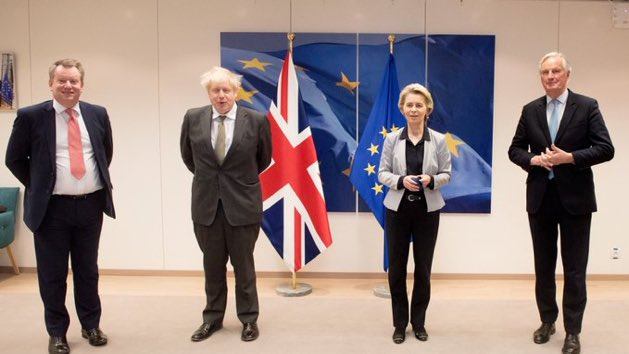
Anyone following Brexit will probably have seen this horrible photo by now.
Crunch meeting in Brussels on the 9th of December
From left to right: David Frost – UK Brexit Negotiator, Boris Johnson – Prime Minister of the UK, Ursula von der Leyen – President of the EU Commission, and Michel Barnier – EU Chief Negotiator.
On the right von der Leyen, and Barnier are sharply dressed, and look professional. On the left, well, the UK team look like a pair of farmers who are in the big city to receive an award for their pig breeding program.
Plenty of other people have talked about the horrible optics of this, so I won’t*. I want to just briefly talk about how you stand when being photoed for business reasons. It is something that happens to me from time to time in my professional career – at conferences, customer meetings, after interviews. You get asked to pose to a shot. It can be a little awkward trying to figure out how to look the best.
At the start of my professional career I was given a few pointers for when delivering presentations – men should not put their hands in their pockets, women never try and adjust your bra strap. But mostly you figure this stuff out yourself unless you are sent on some proper PR training.
The difficult thing is what to do with your hands? At the side seems so odd I never do that. It always seems the easy and natural to put then behind you as Johnson, and Frost have done. But as you can see, it emphasises your chest and belly, and will be unmerciful at exposing your tailoring.
Putting your hands in front of you doesn’t seem natural. Who stands like that normally? And is a little odd to look at when you think about it. But for a business/professional photo like this it is clearly the far better choice. Even the fact that Barnier is doing something odd with his fingers is hardly noticeable when the eye is drawn to stretched shirts and suits, and straining buttons.
I will remember this the next time I am asked to pose for a photo.
* What is really odd is that as high profile public figures, Johnson and Frost have presumably been on expensive training programs about public speaking, presentation, and PR. But they still ended up looking like this in public?
This video talks about the use of virtual sets for TV series.
A cheaper, better way to put together sets.
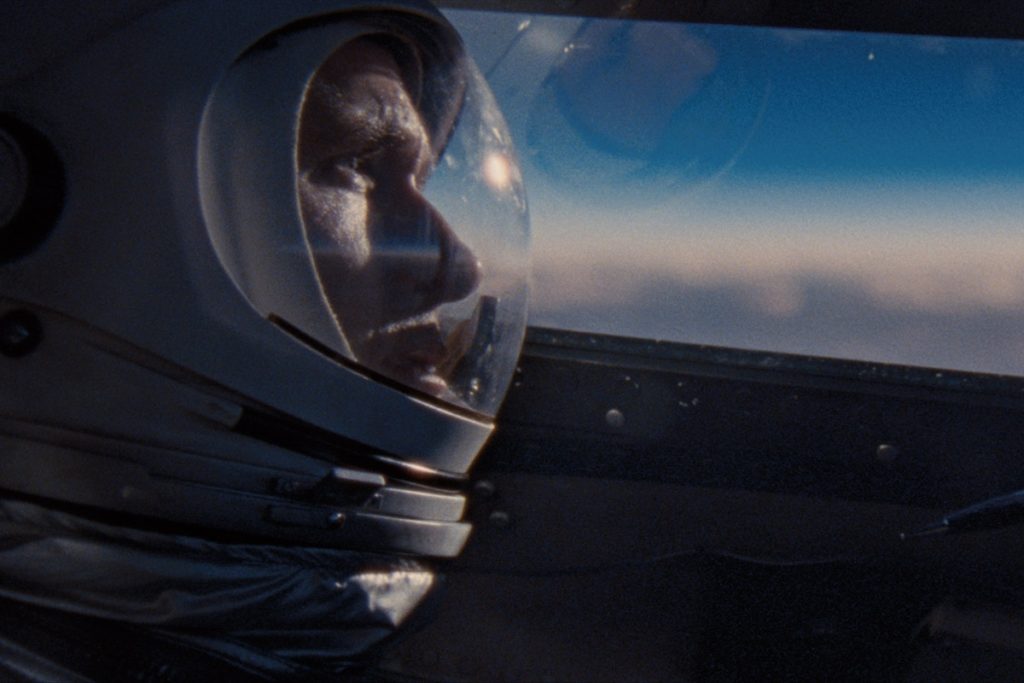
The first time I had heard about this being used was for First Man. Ryan Gosling is sitting in a model of the cockpit, and the sky beyond is projected. So the light on his face and the reflections on the helmet glass look real -as they are real – smudges, scratches and all. This is not something it would be easy to do with CGI.
Ryan Gosling as Neil Armstrong, flying the X15 high in the athmosphere
All this got me thinking. If I got a 60″ 4K LED TV I could put it behind me for video calls, and then stream videos like this. Static images are so last year…























Recent Comments